
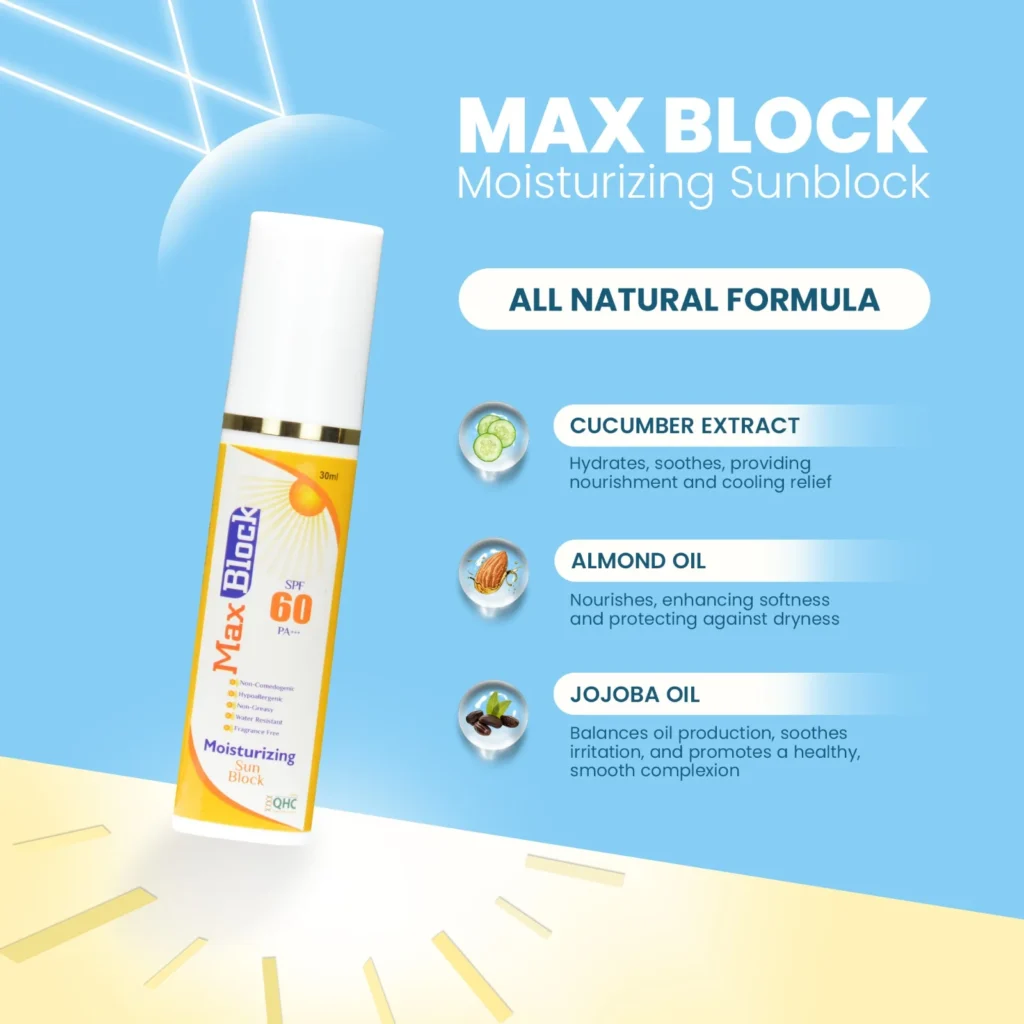
Many people faithfully apply sunscreen every morning yet still notice that their complexion looks darker after spending time outdoors. This often leads to the misconception that sunscreen is ineffective. In reality, several factors influence skin pigmentation besides ultraviolet (UV) exposure. The amount of sunscreen used, how often it is reapplied, heat, pollution, hormonal changes, and even your daily skincare routine can all affect your skin’s appearance.
In Pakistan, strong sunlight, rising temperatures, humidity, and environmental pollution create additional challenges for maintaining an even skin tone. Protecting your skin requires more than applying SPF once a day-it involves building a complete skincare routine that supports hydration, strengthens the skin barrier, and minimizes environmental damage. At QHC Sunblock, we believe that informed skincare choices and consistent daily habits are the foundation of healthier, brighter-looking skin.
Why Does Skin Become Darker?
Skin naturally produces melanin, the pigment responsible for your complexion. When exposed to sunlight or environmental stress, melanocytes increase melanin production to protect deeper layers of the skin.
This response is completely natural. However, repeated exposure to sunlight, heat, pollution, and inflammation may lead to tanning, uneven pigmentation, or stubborn dark patches.
Understanding these triggers makes it easier to prevent unnecessary discoloration.
Sunscreen Is Important—But It Isn’t the Whole Solution
Many people believe sunscreen works like a complete shield. In reality, even high-quality broad-spectrum formulas cannot block every ray of sunlight.
Instead, the best sunscreen in Pakistan significantly reduces UV damage while lowering the risk of premature aging, sunburn, and pigmentation.
To achieve the best results, sun protection should be combined with protective clothing, shade, proper hydration, and a barrier-supporting skincare routine.
Everyday Habits That Reduce Sun Protection
Applying Too Little Product
One of the most common mistakes is using only a tiny amount.
Most dermatologists recommend approximately two finger lengths of sunscreen for the face and neck. Smaller amounts provide considerably less protection than the SPF value printed on the packaging.
Forgetting to Reapply
Morning application alone is rarely enough.
Sweat, natural skin oils, rubbing your face, and outdoor activities gradually reduce sunscreen performance.
If you’re spending time outside, reapplication every two hours helps maintain protection.
Missing Commonly Exposed Areas
People frequently overlook areas such as:
- Neck
- Ears
- Hairline
- Eyelids
- Hands
- Around the jawline
These exposed areas often develop uneven pigmentation first.
Sunlight Isn’t the Only Cause
Heat Exposure
Research suggests that excessive heat may stimulate pigment-producing cells in certain individuals, particularly those prone to melasma.
This explains why some people notice increased pigmentation during Pakistan’s hot summer months, even with regular SPF use.
Air Pollution
Vehicle emissions, smoke, and airborne particles generate free radicals, which contribute to oxidative stress and dull-looking skin.
Daily cleansing combined with antioxidant-rich skincare helps reduce the effects of environmental pollutants.
Visible Blue Light
Although much weaker than sunlight, prolonged exposure to visible blue light from digital screens may contribute to pigmentation in certain skin tones.
Products containing antioxidants and iron oxides may offer additional support when combined with sunscreen.
Existing Pigmentation Doesn’t Disappear Overnight
Dark spots caused by acne, insect bites, burns, or irritation are known as post-inflammatory hyperpigmentation.
Sunscreen prevents these marks from becoming darker, but fading them requires patience and consistent skincare.
Improvement usually occurs gradually over several weeks or months.
Hormones Can Influence Skin Tone
Sometimes pigmentation develops regardless of sun exposure.
Hormonal fluctuations related to pregnancy, certain medications, thyroid disorders, or melasma can stimulate melanin production.
If dark patches appear suddenly or continue spreading, professional medical advice is recommended.
Ingredients That Enhance Sun Protection
While sunscreen is your first line of defense against UV damage, certain ingredients can improve your skin’s ability to cope with environmental stress and maintain a healthy complexion.
Zinc Oxide
Zinc oxide is a mineral UV filter that provides broad-spectrum protection by reflecting both UVA and UVB rays. It is gentle on the skin and is often recommended for sensitive skin types.
Titanium Dioxide
Titanium dioxide is another mineral sunscreen ingredient that helps shield the skin from harmful ultraviolet radiation. It offers effective daily protection while remaining suitable for many skin types.
Vitamin E
Vitamin E is an antioxidant that helps defend the skin against free radical damage caused by sun exposure and pollution. It also supports skin hydration and contributes to a smoother, healthier appearance.
Vitamin C
Vitamin C works alongside sunscreen by neutralizing free radicals generated by UV exposure. It helps maintain a brighter-looking complexion while supporting the skin’s natural defense against environmental damage.
Niacinamide
Niacinamide strengthens the skin barrier, improves moisture retention, and helps reduce the appearance of uneven skin tone that may develop after repeated sun exposure.
Ceramides
Ceramides help restore the skin’s protective barrier, preventing moisture loss and improving resilience against environmental stress. Healthy, well-hydrated skin responds better to daily sun protection.
Never Ignore Your Skin Barrier
Healthy skin naturally protects itself against environmental stress.
When the protective barrier becomes weak, moisture escapes more easily, and the skin becomes vulnerable to irritation and inflammation.
A compromised barrier may also make pigmentation concerns appear more noticeable.
Moisturizers containing ceramides, hyaluronic acid, glycerin, panthenol, and squalane help support hydration while improving overall skin comfort.
Build a Smarter Morning Routine
Consistency matters more than using numerous products.
1: Cleanse Gently
Use a mild cleanser that removes dirt and excess oil without stripping natural moisture.
2: Apply an Antioxidant Serum
Vitamin C or niacinamide serums help defend against oxidative stress caused by pollution and sunlight.
3: Moisturize
A lightweight moisturizer strengthens the skin barrier and improves moisture retention throughout the day.
4: Finish With Broad-Spectrum Sun Protection
Apply generously to every exposed area, including the neck and ears.
If you’re outdoors for extended periods, remember to reapply regularly.
At QHC, we encourage simple, practical routines that people can realistically follow every day instead of relying on complicated skincare regimens.
Additional Ways to Protect Your Skin
Daily habits can make a significant difference.
- Wear a wide-brimmed hat outdoors.
- Use UV-protective sunglasses.
- Carry an umbrella during peak sunlight hours.
- Stay hydrated throughout the day.
- Wash away pollution after returning home.
- Avoid excessive midday sun whenever possible.
- Eat foods rich in antioxidants and healthy fats.
- Get enough sleep to support natural skin repair.
These small lifestyle changes work alongside skincare products to improve overall skin health.
Common Mistakes That Lead to Uneven Skin Tone
Many people unintentionally reduce the effectiveness of their skincare routine.
Avoid these common habits:
- Depending only on makeup with SPF
- Using expired sunscreen
- Applying sunscreen only on sunny days
- Skipping moisturizer because of oily skin
- Frequently changing skincare products
- Over-exfoliating the skin
- Ignoring sun protection indoors near windows
Correcting these habits often leads to noticeable improvements over time.
When Should You Seek Professional Advice?
While mild tanning is common, persistent pigmentation deserves medical attention.
Consult a dermatologist if you notice:
- Dark patches spreading quickly
- Pigmentation that doesn’t improve after several months
- Severe melasma
- Changes in skin texture or color accompanied by pain or itching
- New spots with unusual borders or bleeding
Early assessment helps identify the underlying cause and appropriate treatment.
Why Choose QHC?
Healthy skin is built through consistent care rather than quick fixes.
At QHC, our approach focuses on hydration, barrier support, and protecting skin from daily environmental stress. Carefully selected skincare products combined with good daily habits can help maintain a brighter, smoother, and healthier-looking complexion.
Whether your goal is reducing dullness, improving hydration, or maintaining an even skin tone, choosing gentle, effective skincare supports lasting results.
Final Thoughts
A darker complexion despite regular sunscreen use does not necessarily mean your product has failed. Sun exposure, heat, pollution, hormones, skin inflammation, and inconsistent application all influence pigmentation. Protecting your skin requires a balanced routine that combines broad-spectrum sun protection, antioxidant-rich skincare, proper hydration, and healthy daily habits.
At QHC, we believe long-term skin health comes from consistency, quality formulations, and understanding your skin’s unique needs. By strengthening your skin barrier and following a complete protection strategy, you can reduce the appearance of uneven pigmentation and maintain healthier, more radiant skin throughout the year.
Frequently Asked Questions
Can sunscreen completely stop tanning?
No. Sunscreen greatly reduces UV damage, but no product blocks every ray. Protective clothing and limiting direct sun exposure remain important.
Does cloudy weather eliminate the need for sunscreen?
No. UVA rays can penetrate clouds, making daily protection necessary throughout the year.
Should oily skin use moisturizer?
Yes. Hydrated skin maintains a stronger barrier and often produces oil more efficiently than dehydrated skin.
Is higher SPF always better?
SPF 30 and SPF 50 both provide excellent protection when applied generously and reapplied correctly.
Discover trusted skincare solutions for every skin concern by visiting our Home Page, where you’ll find QHC’s complete collection of products to help you maintain healthier, brighter-looking skin every day.