
GLP-1 and GIP are naturally occurring hormones that help the body regulate appetite, digestion, and blood sugar. Prescription medications that work with these hormone pathways have become an important option for people who qualify for medical weight-management treatment.
These treatments can help reduce hunger, improve feelings of fullness, and make it easier to maintain a calorie-controlled diet. They are generally used alongside healthy eating habits and regular physical activity.
Semaglutide
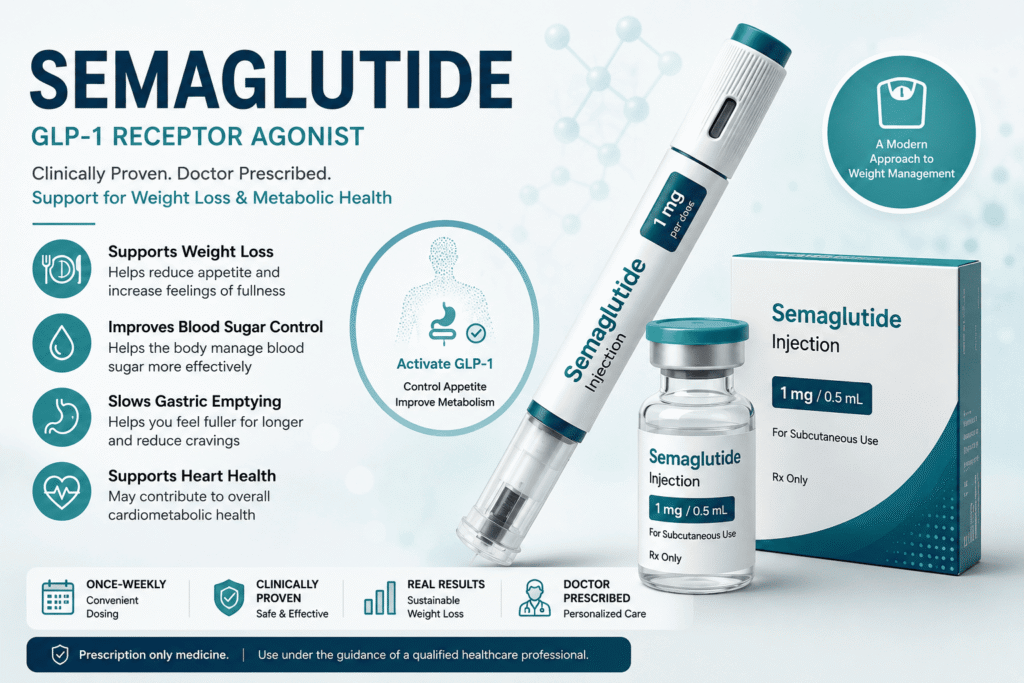
Semaglutide is a GLP-1 receptor medication that affects the body’s appetite and blood-sugar regulation systems. It can help people feel satisfied after eating and may reduce overall food intake.
Semaglutide is available in different prescription formulations for different medical uses. The appropriate product and dosage depend on the patient’s individual circumstances and the indication for treatment.
Liraglutide
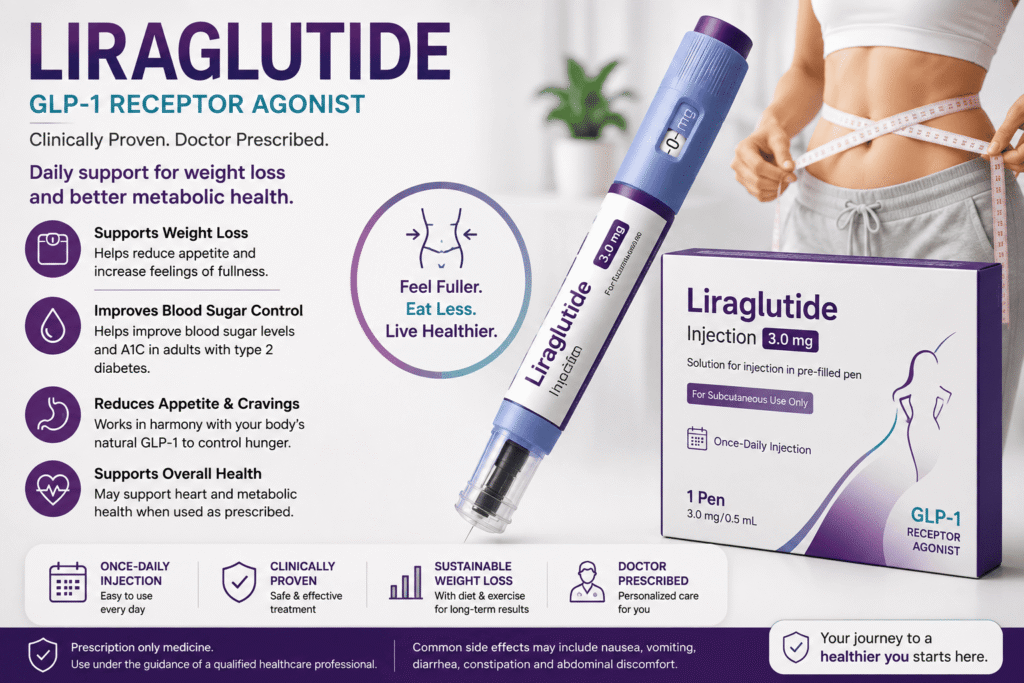
Liraglutide is another medication that works by activating GLP-1 receptors. It can influence appetite, slow the movement of food through the stomach, and support better blood-sugar regulation.
For weight management, liraglutide is prescribed to eligible patients as part of a broader lifestyle and weight-management programme.
Tirzepatide
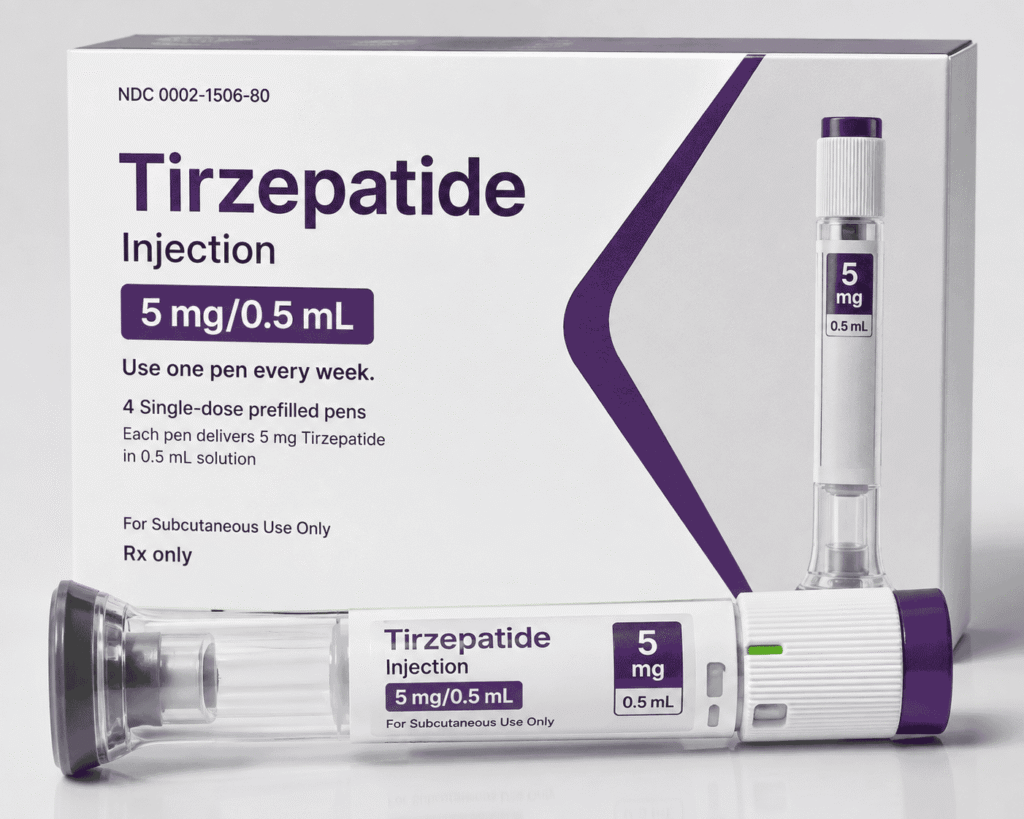
Tirzepatide works differently from medicines that target GLP-1 alone. It activates both GIP and GLP-1 receptors, giving it a dual mechanism of action.
By influencing these two hormone pathways, tirzepatide can help control hunger, increase satiety, and support weight reduction in suitable patients. It is also used for blood-sugar management in people with type 2 diabetes.
Key Benefits of Tirzepatide
- Helps reduce appetite and food intake
- Promotes feelings of fullness
- Supports weight management
- Helps improve blood-glucose control
- Targets both GIP and GLP-1 receptors
Tirzepatide
Tirzepatide works differently from medicines that target GLP-1 alone. It activates both GIP and GLP-1 receptors, giving it a dual mechanism of action.
By influencing these two hormone pathways, tirzepatide can help control hunger, increase satiety, and support weight reduction in suitable patients. It is also used for blood-sugar management in people with type 2 diabetes.
Key Benefits of Tirzepatide
- Helps reduce appetite and food intake
- Promotes feelings of fullness
- Supports weight management
- Helps improve blood-glucose control
- Targets both GIP and GLP-1 receptors
Wegovy
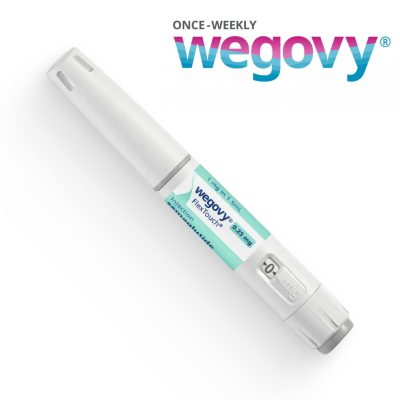
Wegovy is a prescription medicine containing semaglutide. It is specifically used for chronic weight management in eligible patients and is combined with dietary and lifestyle changes.
Because Wegovy acts on the GLP-1 pathway, it can help reduce appetite and increase feelings of fullness. Treatment is normally introduced gradually according to a healthcare professional’s prescribed dosing plan.
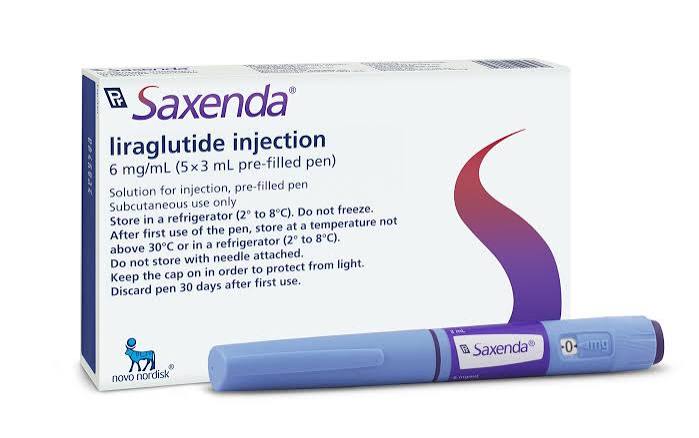
Saxenda
Saxenda contains liraglutide and is another prescription option for chronic weight management. It works by mimicking the effects of GLP-1, helping regulate hunger and food intake.
Unlike some newer weight-management medications, Saxenda is administered once daily. Whether it is appropriate depends on the patient’s health, weight-management needs, and medical history.
Semaglutide vs. Tirzepatide
Semaglutide primarily targets GLP-1 receptors, while tirzepatide targets both GLP-1 and GIP receptors. Both treatments can influence appetite and support weight management, but they have different mechanisms, dosing schedules, approved uses, and safety considerations.
There is no single treatment that is right for everyone. A qualified healthcare professional can assess your health history and determine which treatment, if any, may be appropriate.
Choosing a GLP-1 or GIP Treatment
Wegovy, Saxenda, semaglutide, liraglutide, and tirzepatide are prescription treatments and should be used under medical supervision. Possible side effects can include nausea, vomiting, diarrhea, constipation, and abdominal discomfort.
Do not start, stop, or change the dose of any weight-loss medication without speaking with your healthcare provider.