
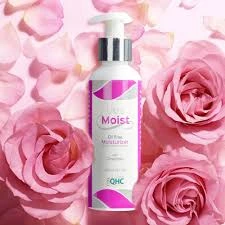
Healthy skin starts with a strong protective barrier. When this natural shield becomes weak, the skin loses moisture more quickly and becomes vulnerable to environmental stress, pollution, and harsh skincare products. Many people in Pakistan experience dryness, redness, irritation, or rough patches without realizing that their skin barrier may need extra care rather than stronger treatments.
A well-balanced skincare routine focuses on restoring hydration, reducing irritation, and supporting the skin’s natural repair process. Choosing a moisturizer with barrier-supporting ingredients can make a noticeable difference over time. At QHC Moisturizer, we believe that effective skincare begins with understanding your skin’s needs and using gentle, science-backed formulations that promote long-term skin health instead of temporary results.
Why Your Skin Barrier Is Essential for Healthy Skin
The outermost layer of your skin acts as a protective shield. It locks in moisture while defending against pollutants, bacteria, UV exposure, and environmental damage. When functioning properly, this barrier keeps the skin smooth, hydrated, and comfortable.
Once compromised, the protective layer struggles to retain water, leading to dehydration and increased sensitivity. This is why maintaining moisture balance is one of the most important aspects of healthy skincare.
What Causes Barrier Damage?
Several daily habits can gradually weaken your skin’s protective layer.
Over-Exfoliation
Using scrubs, chemical exfoliants, or active ingredients too often removes healthy skin cells along with dead ones, making the skin vulnerable.
Harsh Cleansers
Strong face washes containing aggressive surfactants strip away natural oils that keep the skin healthy.
Environmental Stress
Pakistan’s hot summers, dry winters, dust, pollution, and prolonged sun exposure can all reduce skin resilience.
Hot Water
Washing your face with very hot water removes essential lipids that support moisture retention.
Using Too Many Active Ingredients
Layering retinol, glycolic acid, salicylic acid, and vitamin C together without guidance may overwhelm sensitive skin.
Common Signs Your Skin Barrier Needs Support
Recognizing early symptoms allows you to take corrective action before irritation becomes worse.
Some common warning signs include:
- Persistent dryness
- Tightness after cleansing
- Flaky patches
- Redness
- Burning sensation
- Increased sensitivity
- Rough texture
- Itchy skin
- Dull complexion
- Breakouts despite using acne products
These symptoms often indicate that your skin needs hydration and nourishment instead of stronger treatments.
Why Moisturizers Play Such an Important Role
A quality best moisturizer in pakistan does much more than soften the skin.
It helps:
- Improve moisture retention
- Reduce transepidermal water loss (TEWL)
- Strengthen the protective barrier
- Calm irritation
- Improve skin comfort
- Support overnight recovery
- Restore softness and elasticity
Consistent moisturizing allows the skin to repair itself naturally while minimizing further damage.
Ingredients That Help Restore Skin Health
Choosing the right ingredients matters more than buying expensive products.
Ceramides
Ceramides are naturally found in healthy skin. They reinforce the protective layer and improve long-lasting hydration.
Glycerin
One of the most trusted moisturizing ingredients, glycerin draws water into the skin and helps maintain hydration throughout the day.
Panthenol (Vitamin B5)
Panthenol provides soothing benefits while improving skin recovery and reducing discomfort.
Squalane
This lightweight emollient replenishes moisture without clogging pores, making it suitable for most skin types.
Shea Butter
Rich in nourishing fatty acids, shea butter supports dry skin while helping improve softness and flexibility.
Cholesterol and Fatty Acids
These naturally occurring lipids work alongside ceramides to strengthen the skin barrier and improve resilience.
Ingredients to Avoid During Recovery
While repairing your skin, reducing irritation should become the priority.
Avoid products containing:
- High concentrations of alcohol
- Strong fragrances
- Harsh physical scrubs
- Overly aggressive exfoliating acids
- Excessive retinoid use
- Sulfate-heavy cleansers
Simplifying your skincare routine often speeds up recovery.
Build a Gentle Daily Routine
A simple routine consistently delivers better results than using multiple complicated products.
Morning Routine
Begin with a mild cleanser that removes impurities without stripping natural oils.
Follow with a hydrating moisturizer containing ceramides, glycerin, or hyaluronic acid.
Finish with a broad-spectrum sunscreen every morning to protect the recovering skin from UV damage.
Evening Routine
Cleanse gently to remove dirt, makeup, and sunscreen.
Apply a nourishing moisturizer that supports overnight skin renewal and helps replenish moisture lost throughout the day.
Keeping your nighttime routine simple allows the skin to recover naturally.
Lifestyle Habits That Support Healthy Skin
Skincare products work best when combined with healthy daily habits.
Stay Hydrated
Drinking enough water supports overall skin hydration alongside topical moisturizers.
Eat a Balanced Diet
Foods rich in healthy fats, antioxidants, vitamins, and minerals contribute to healthier skin function.
Sleep Well
The skin performs much of its natural repair during sleep, making adequate rest essential.
Reduce Stress
Long-term stress may affect skin health and worsen sensitivity. Managing stress supports healthier skin over time.
Protect Against Pollution
Cleansing properly after spending time outdoors removes pollutants that may contribute to skin irritation.
Choosing the Right Moisturizer for Your Skin Type
Not every moisturizer suits every skin type.
Dry Skin
Look for rich creams containing ceramides, shea butter, glycerin, cholesterol, and nourishing lipids.
Oily Skin
Choose lightweight, non-comedogenic moisturizers with niacinamide and hyaluronic acid that hydrate without clogging pores.
Combination Skin
Gel-cream formulations provide balanced hydration while maintaining comfort across different facial areas.
Sensitive Skin
Select fragrance-free products with soothing ingredients like panthenol, colloidal oatmeal, and squalane.
Skincare Mistakes That Slow Barrier Recovery
Many people unknowingly delay healing by making small but significant mistakes.
These include:
- Washing the face too frequently
- Frequently switching skincare products
- Using multiple exfoliants together
- Skipping moisturizer during humid weather
- Ignoring sunscreen
- Picking at irritated skin
- Applying active ingredients on already inflamed skin
Patience is essential because barrier restoration usually takes several weeks with consistent care.
Why Quality Matters
A moisturizer should not simply feel pleasant on the skin-it should actively support hydration, strengthen the protective layer, and improve overall skin resilience.
Quality formulations focus on balanced ingredient combinations rather than unnecessary fragrances or harsh additives. Selecting products made with skin-friendly ingredients reduces irritation and provides long-term benefits.
At QHC, every skincare solution is developed with everyday skin concerns in mind. Whether your skin feels dry, sensitive, or dehydrated, choosing gentle formulations can help improve comfort while supporting healthier-looking skin over time.
Last Words
Healthy, glowing skin begins with a strong protective barrier that retains moisture and defends against everyday environmental stress. Gentle cleansing, regular hydration, and choosing moisturizers rich in ceramides, glycerin, hyaluronic acid, niacinamide, panthenol, and nourishing lipids can significantly improve skin comfort and resilience over time.
Consistency matters more than using numerous products. A simple routine built around hydration, sun protection, and barrier-supporting ingredients often delivers the best long-term results.
At QHC, we believe skincare should strengthen your skin rather than overwhelm it. By selecting carefully formulated moisturizing products and following a gentle routine, you can restore hydration, improve skin resilience, and enjoy healthier, smoother, and more radiant skin every day.
Frequently Asked Questions
How long does skin barrier recovery usually take?
Mild damage may improve within two to four weeks, while more severe cases may require several months of consistent skincare and protection.
Can oily skin still have a damaged barrier?
Yes. Even oily skin can become dehydrated and sensitive when its protective layer is compromised.
Is sunscreen necessary during recovery?
Absolutely. Daily sun protection prevents additional environmental damage and supports healthier skin repair.
Should I stop using active ingredients?
If your skin is irritated, temporarily reducing strong exfoliants and retinoids allows the barrier to recover more comfortably.
For premium skincare products developed to address everyday skin concerns, visit the Home Page and find trusted solutions for healthier, more radiant-looking skin.