
Introduction
Choosing the right moisturizer is one of the most important decisions in any skincare routine. Whether your goal is maintaining hydration, improving skin texture, supporting the skin barrier, or achieving a healthy glow, the type of moisturizer you use can significantly influence your results.
Many people struggle to decide between a gel moisturizer and a cream moisturizer. While both are designed to keep the skin hydrated, they differ in texture, formulation, and the way they interact with different skin types. Understanding these differences can help you select a product that works best for your individual skincare needs.
If you are looking for the QHC Moisturizer in Pakistan, selecting a high-quality formula from a trusted skincare brand like QHC and matching it to your skin type is far more important than simply following trends.
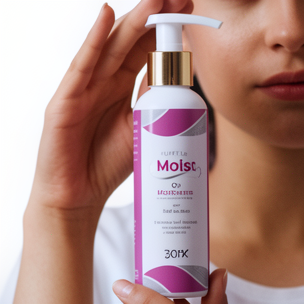
What Is a Gel Moisturizer?
A gel moisturizer is a lightweight skincare product made primarily with water-based ingredients. It absorbs quickly into the skin without leaving a heavy or greasy feeling.
Most gel formulas are designed to provide instant hydration while allowing the skin to breathe comfortably throughout the day.
Common ingredients include:
- Hyaluronic acid
- Glycerin
- Aloe vera
- Panthenol
- Botanical extracts
These ingredients help replenish moisture while maintaining a fresh, lightweight finish.
What Is a Cream Moisturizer?
Cream moisturizers have a richer texture because they contain a higher concentration of nourishing oils, emollients, and occlusive ingredients.
Instead of only delivering hydration, cream formulas also help reduce moisture loss by creating a protective layer over the skin.
Common ingredients include:
- Ceramides
- Shea butter
- Squalane
- Natural oils
- Fatty acids
Creams are especially beneficial for individuals with dry or dehydrated skin who require long-lasting nourishment.
Gel Moisturizer vs Cream Moisturizer
Although both products aim to hydrate the skin, they perform differently depending on your skin type and skincare goals.
Texture
Gel Moisturizer
- Lightweight
- Water-based
- Cooling sensation
- Fast absorption
Cream Moisturizer
- Rich texture
- Smooth consistency
- Longer-lasting moisture
- Protective finish
People who dislike heavy skincare products often prefer gel formulations.
Hydration Level
Gel moisturizers deliver quick hydration that refreshes the skin immediately.
Cream moisturizers provide deeper nourishment by reducing water loss throughout the day and overnight.
If your skin often feels tight or flaky, a richer formula may provide better comfort.
Which Skin Types Benefit Most?
Oily Skin
Gel moisturizers are usually an excellent choice because they hydrate without making the skin feel greasy.
Many people living in Pakistan prefer lightweight products during warmer months due to the country’s hot and humid climate.
Combination Skin
Combination skin may benefit from either formula depending on seasonal changes.
Many people use:
- Gel moisturizer during summer
- Cream moisturizer during winter
This flexible approach helps maintain balanced hydration year-round.
Dry Skin
Dry skin generally benefits more from cream moisturizers because they provide long-lasting nourishment and help reinforce the skin barrier.
Ingredients like ceramides and shea butter are particularly effective for improving comfort and reducing dryness.
Sensitive Skin
Sensitive skin requires gentle formulations free from unnecessary fragrance or harsh ingredients.
Both gel and cream moisturizers can work well provided they contain soothing ingredients that support skin repair.
QHC develops skincare products with carefully selected ingredients that help maintain hydration while respecting the skin’s natural balance.
Understanding Skin Barrier Support
Your skin barrier plays an essential role in protecting against moisture loss and environmental stressors.
When the barrier becomes compromised, common symptoms include:
- Dryness
- Irritation
- Rough texture
- Increased sensitivity
A quality moisturizer helps strengthen this protective layer.
Cream moisturizers often provide stronger barrier support because of their richer lipid content, while gel moisturizers deliver hydration that helps maintain skin balance.
Seasonal Skincare Matters
Pakistan experiences a wide range of weather conditions throughout the year.
During Summer
High temperatures often increase oil production.
A lightweight gel moisturizer may feel more comfortable while still maintaining hydration.
During Winter
Cold weather and lower humidity frequently lead to dryness and rough skin.
Cream moisturizers provide additional nourishment that helps keep the skin soft and comfortable.
Choosing products according to seasonal needs is an effective way to maintain healthy-looking skin throughout the year.
Can You Switch Between Gel and Cream Moisturizers?
Absolutely.
Many skincare professionals recommend adjusting your moisturizer according to:
- Climate
- Skin condition
- Age
- Lifestyle
- Indoor air conditioning
- Sun exposure
Some people even keep both formulations in their skincare collection for different situations.
Ingredients That Improve Moisturizer Performance
Regardless of texture, look for formulas containing beneficial skincare ingredients such as:
Hyaluronic Acid
Draws water into the skin to improve hydration.
Ceramides
Support skin repair while strengthening the moisture barrier.
Glycerin
Helps maintain long-lasting hydration.
Niacinamide
Supports smoother-looking skin while improving overall skin texture.
Squalane
Provides lightweight nourishment without feeling greasy.
QHC incorporates carefully selected skincare ingredients that support hydration, nourishment, and healthier-looking skin across different skin types.
How to Apply Moisturizer Correctly
Getting the most from your moisturizer depends on proper application.
1 : Cleanse your skin thoroughly.
2 : Apply any treatment serums.
3 : Apply moisturizer while the skin is still slightly damp.
4 : During daytime, finish with sunscreen.
This routine helps lock in hydration and improves moisture retention.
Common Mistakes to Avoid
Using Too Little Product
Applying only a tiny amount may not provide enough hydration.
Choosing Based on Trends
The most popular moisturizer may not suit your skin type.
Focus on ingredients and your skin’s individual needs.
Ignoring Seasonal Changes
Your skincare routine should adapt as weather conditions change.
Skipping Moisturizer Because You Have Oily Skin
Oily skin still requires hydration.
Using an appropriate lightweight moisturizer helps maintain balance without increasing oiliness.
Why Quality Matters
A moisturizer should do more than simply make your skin feel soft for a few hours.
A well-formulated product helps:
- Improve hydration
- Support skin repair
- Strengthen the moisture barrier
- Promote smoother texture
- Encourage glowing skin
- Support anti-aging care
QHC focuses on skincare solutions that combine hydration, nourishment, and barrier support to help consumers maintain healthier-looking skin throughout every season.
Final Words
Both gel and cream moisturizers play an important role in maintaining healthy skin, but choosing the right one depends on your skin type, lifestyle, and environmental conditions.
Gel moisturizers provide lightweight hydration that works particularly well for oily and combination skin, while cream moisturizers offer richer nourishment for dry and dehydrated skin. Understanding these differences allows you to build a skincare routine that delivers lasting comfort and visible results.
By selecting high-quality skincare products from trusted brands like QHC and using them consistently, you can support hydration, skin repair, anti-aging care, and a naturally radiant complexion all year round.
Frequently Asked Questions
1. Which moisturizer is better for oily skin?
A lightweight gel moisturizer is generally more comfortable for oily skin because it hydrates without leaving a greasy finish.
2. Is a cream moisturizer suitable for daily use?
Yes. Cream moisturizers can be used daily, especially if you have dry or dehydrated skin that requires extra nourishment.
3. Can I use a gel moisturizer during winter?
Yes, but if your skin becomes dry during colder months, switching to a richer cream formula may provide better hydration.
4. Should I apply moisturizer before sunscreen?
Yes. Moisturizer should be applied before sunscreen as part of your morning skincare routine.
5. How do I know if my moisturizer is working?
A suitable moisturizer should leave your skin feeling comfortable, hydrated, smooth, and healthy without causing excessive oiliness or irritation.